Choosing the right CMS for business website development is one of the most important decisions a company can make when building its online presence. A content management system (CMS) determines how easily a website can be managed, updated, and scaled as the business grows.
In 2026, businesses require more than just a website that displays information. They need platforms that support SEO, performance optimization, security, integrations, and scalability. The right CMS helps businesses manage their content efficiently while ensuring a seamless user experience.
This guide explores the best CMS platforms for business websites in 2026, key features to look for, and how professional web design support can help companies choose and implement the right solution.
What Is a CMS for a Business Website?
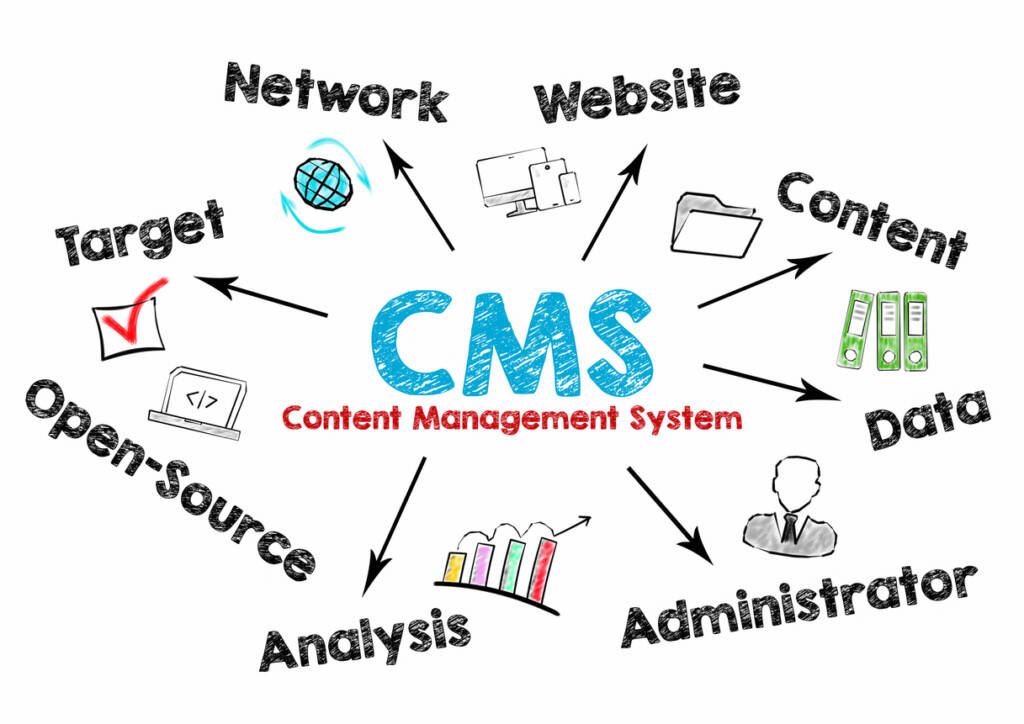
A content management system (CMS) is a software platform that allows businesses to create, edit, organize, and publish website content without needing advanced coding skills.
For businesses, a CMS provides:
- An interface for managing website content
- Tools for publishing blog posts and pages
- Control over website structure and design
- Integration with marketing and analytics tools
- Scalability for future growth
A well-implemented CMS ensures that teams can maintain their website efficiently while keeping it aligned with business objectives.
Key Features to Look for in a CMS
Not every CMS platform fits every business. Before selecting one, organizations should evaluate whether the platform meets their operational and technical needs.
1. Ease of Content Management
A CMS should make it easy for teams to update website content without relying on developers for every change. Features like drag-and-drop editors, visual page builders, and intuitive dashboards improve workflow efficiency.
2. SEO Capabilities
Search visibility remains essential for digital growth. The best CMS platforms provide built-in SEO features such as:
- Meta tag customization
- Clean URL structures
- Schema integration
- Mobile optimization
- Fast loading performance
These features help businesses maintain a strong search presence.
3. Scalability and Flexibility
Businesses evolve, and their websites must evolve with them. A CMS should support:
- Additional pages and content types
- Integration with third-party tools
- E-commerce functionality
- Advanced customization options
Scalability prevents the need for costly platform migrations later.
4. Security and Maintenance
Security is a major concern for modern businesses. CMS platforms must provide:
- Regular updates
- Secure user roles and permissions
- Protection against common vulnerabilities
- Backup and recovery features
Professional implementation also plays a critical role in maintaining website security.
Best CMS Platforms for Business Websites in 2026
Several CMS platforms stand out for their reliability, flexibility, and suitability for business websites.
WordPress
WordPress remains the most widely used CMS for business websites globally. Its flexibility, large ecosystem of plugins, and strong community support make it suitable for both small businesses and large organizations.
Key benefits include:
- Highly customizable themes and plugins
- Strong SEO capabilities
- Extensive developer support
- Integration with marketing and analytics tools
For many businesses, WordPress offers a balanced combination of usability and scalability.
Webflow
Webflow has gained popularity among companies looking for a visual design-focused CMS. It allows designers and developers to build custom websites without relying heavily on traditional coding.
Advantages include:
- Visual development environment
- Clean code output
- Built-in hosting and security
- Flexible design capabilities
Webflow works particularly well for businesses that prioritize design and performance.
Shopify (for E-commerce Businesses)
For businesses primarily focused on online sales, Shopify provides a specialized CMS environment designed for e-commerce operations.
Its strengths include:
- Built-in payment and checkout systems
- Inventory management
- Secure hosting
- Extensive marketplace integrations
Companies looking to build online stores often benefit from Shopify’s specialized features.
Drupal
Drupal is a powerful CMS suited for organizations with complex content structures and advanced customization needs.
It is commonly used by:
- Large enterprises
- Government organizations
- Educational institutions
While Drupal offers strong flexibility and security, it often requires experienced developers for implementation and maintenance.
Headless CMS Platforms
In 2026, many businesses are adopting headless CMS solutions such as Strapi, Contentful, and Sanity. These platforms separate content management from the frontend design, allowing content to be distributed across websites, mobile apps, and other digital channels.
Benefits include:
- Greater development flexibility
- Faster performance
- Multi-platform content delivery
Headless CMS platforms are especially valuable for businesses with complex digital ecosystems.
Challenges Businesses Face When Choosing a CMS
Although many CMS platforms exist, selecting the right one can be challenging. Businesses often encounter several common problems.
Choosing a Platform That Cannot Scale
Some businesses choose CMS platforms that work initially but struggle to support growth, integrations, or advanced functionality later.
Poor Website Performance
Improper CMS configuration can result in slow loading speeds, affecting both user experience and search engine rankings.
Difficult Content Management Workflows
If a CMS is poorly structured, teams may struggle to update content efficiently, slowing down marketing and communication efforts.
How Professional Web Design Support Helps
Selecting a CMS is only the first step. The success of a business website depends heavily on how the platform is implemented and optimized.
A professional web design agency can help businesses:
- Evaluate the most suitable CMS platform
- Design a scalable website architecture
- Optimize site speed and performance
- Implement SEO best practices
- Ensure long-term maintainability
At Bave Design Studio, the focus is on building business websites that combine strong design, efficient content management, and scalable development frameworks. By aligning CMS selection with business goals, companies can create websites that remain effective for years.
Future Trends in CMS for Business Websites
CMS platforms continue to evolve to meet modern digital requirements. Several trends are shaping the future of business websites.
AI-Assisted Content Management
Many CMS platforms now integrate AI tools to assist with content generation, SEO recommendations, and user behavior analysis.
Headless Architecture Adoption
Businesses increasingly adopt headless CMS structures to deliver content across multiple platforms efficiently.
Performance-First Web Design
Search engines and users both prioritize fast loading websites. CMS platforms are increasingly optimized for performance and Core Web Vitals.
Integration With Marketing Tools
Modern CMS platforms integrate with CRMs, analytics systems, email marketing platforms, and automation tools to support comprehensive digital strategies.
Conclusion
Selecting the best CMS for business website development in 2026 requires careful consideration of scalability, usability, security, and performance. Platforms like WordPress, Webflow, Shopify, Drupal, and headless CMS solutions each offer unique advantages depending on business goals and technical requirements.
However, the platform alone does not guarantee success. Strategic planning, professional implementation, and ongoing optimization are essential to ensure the CMS supports long-term growth.
Businesses that approach CMS selection thoughtfully are better positioned to build websites that remain flexible, secure, and effective in a constantly evolving digital landscape.
Need help choosing or building the right CMS for your business website?
Bave Design Studio can help design and develop scalable websites tailored to your business needs.
FAQs
Why is a CMS important for businesses?
A CMS allows businesses to easily manage website content, publish updates, and maintain their online presence without complex coding.
Is WordPress still relevant for business websites?
Yes. WordPress remains one of the most flexible and widely supported CMS platforms for businesses.
What is a headless CMS?
A headless CMS separates the content management backend from the frontend design, allowing content to be used across multiple digital platforms.
Can a web design agency help choose the right CMS?
Yes. A web design agency can evaluate business needs and implement the most suitable CMS solution for long-term growth.