A strong website layout does more than look professional. It helps visitors understand what a business offers, builds trust quickly, and guides them toward taking action. For companies that want more enquiries, bookings, or quote requests, the right website layout for lead generation can make a measurable difference.
Many business websites lose potential leads because their pages are cluttered, hard to scan, or unclear about the next step. Visitors may arrive interested, but if the structure feels confusing, they leave without converting. A well-planned layout removes friction and makes the user journey clear from the first screen to the final call to action.
For businesses investing in web design and web development, layout should never be treated as a purely visual decision. It is a practical business tool.
Why website layout matters for lead generation
Lead generation depends on clarity. A visitor should be able to answer three questions within seconds:
- What does this business do?
- Is it relevant to my needs?
- What should I do next?
If the layout does not answer those questions quickly, conversion rates often suffer. Good page structure supports both user experience and SEO by helping search engines and visitors understand the content more easily.
A lead-focused website layout also helps reduce hesitation. Clear headings, logical content flow, visible contact options, and trust signals all contribute to better engagement. This is why businesses often work with a web design agency that understands not only appearance, but also conversion strategy.
The key sections every lead-generating website should include
A high-performing layout usually follows a simple and logical structure. While the exact design depends on the business, certain sections are consistently effective.
1. A clear hero section
The hero section is the first area visitors see. It should immediately communicate the core offer. A strong headline, short supporting text, and one main call to action are usually enough.
This section works best when it avoids vague language. Instead of general statements, it should explain the service or value clearly. For example, a business offering web development services should say exactly what it builds and for whom.
2. A concise introduction to services
After the hero section, visitors need a quick overview of services. This should be easy to scan, with short descriptions and links to more detailed pages where needed.
For a studio like Bave Design Studio, this is a natural place to introduce relevant support such as web design, website strategy, and development services without interrupting the flow of the article or page.
3. Trust-building elements
Before people submit an enquiry form, they often look for reassurance. Trust signals can include:
- testimonials
- selected client work
- certifications or partnerships
- results or project outcomes
- clear company information
These elements should be placed before or alongside key conversion points. Good layout makes trust-building part of the journey rather than adding it as an afterthought.
4. Problem and solution sections
Visitors respond well when a website shows clear understanding of their challenges. A section that outlines common issues, followed by practical solutions, helps the content feel relevant and useful.
For example, businesses often struggle with websites that attract traffic but fail to generate enquiries. In these cases, improving page hierarchy, simplifying calls to action, and refining landing page structure can improve performance. This is one area where Bave Design Studio can support businesses with a more strategic and conversion-aware website approach.
5. A focused call to action
Every important page should lead visitors toward one clear next step. That may be requesting a quote, booking a consultation, or filling out a contact form.
Too many competing buttons can weaken results. A focused website layout for lead generation usually prioritises one primary action and supports it consistently across the page.
Best practices for layout that converts
A good structure is not only about what is included, but how it is arranged. Some of the most effective layout practices include clear visual hierarchy, generous spacing, readable headings, and mobile-friendly design.
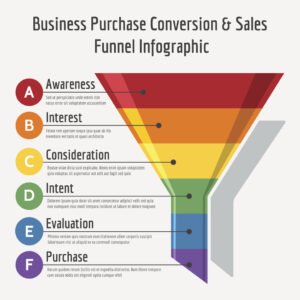
Content should move from awareness to trust to action. This means starting with a clear value proposition, following with relevant detail, then closing with conversion-focused sections. Contact forms should also be simple. If a form asks for too much information too early, some visitors will abandon it.
Page speed also matters. Heavy design choices, disorganised sections, and unnecessary elements can reduce usability. Strong web development supports layout performance by ensuring the design works efficiently across devices.
How SEO and lead generation work together
SEO brings visibility, but layout helps convert that traffic. A page may rank well in search results, but if visitors land on a page that feels disjointed or unclear, the traffic will not produce results.
A good layout supports SEO by improving content organisation, heading structure, internal linking, and mobile usability. It also encourages visitors to stay longer and explore more pages. This creates a stronger foundation for both user engagement and lead generation.
For businesses that want a site that performs well in search and converts effectively, combining SEO thinking with professional web design is often the most practical route.
Conclusion
The best website layout for lead generation is clear, structured, and built around user intent. It helps visitors understand the offer quickly, builds confidence, and guides them toward action without confusion.
Rather than relying on design trends alone, businesses should focus on layouts that solve real problems: unclear messaging, poor navigation, weak trust signals, and unfocused calls to action. When these issues are addressed properly, a website becomes a more effective business tool.
If your current website is attracting visitors but not generating enough enquiries, Bave Design Studio can help you create a layout that is both professionally designed and strategically built for conversion.
Ready to improve your website’s lead generation performance? Explore how Bave Design Studio can help with thoughtful web design and development tailored to your business goals.
FAQs
What is a website layout for lead generation?
It is a page structure designed to guide visitors toward making an enquiry or taking action.
What is the difference between a homepage and a landing page?
A homepage introduces the business broadly, while a landing page is focused on one offer or campaign and one action.
How long does it take to build a lead generation website?
The timeline depends on scope, content, and functionality, but this is one of the most commonly asked questions in current lead generation web design content.