
When building or redesigning a business website, one of the first questions that comes up is: how many pages should a website have? It sounds like a simple question, but the answer has a real impact on your SEO performance, user experience, and whether visitors actually convert into customers.
The short answer? There is no magic number. But there is a right approach — and understanding it can make the difference between a website that works for your business and one that simply exists online.
How Many Pages a Website Should Have Depends on Its Purpose
Before deciding on page count, it is important to get clear on what your website is meant to do. The structure of a lead generation site looks very different from an eCommerce store.
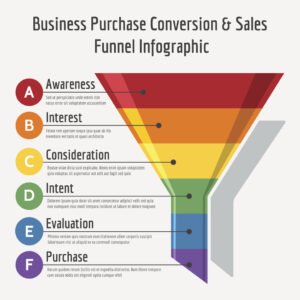
Lead generation websites typically need fewer, more focused pages. The goal is to move visitors quickly from awareness to contact — so clarity and simplicity matter more than volume.
eCommerce websites require more pages by nature: product listings, category pages, checkout flows, return policies, and more. Here, depth and organisation are critical to both the user experience and search visibility.
Understanding your primary goal shapes every decision that follows — how many pages you need, how they are organised, and what content lives on each one.
The right structure is not about more pages — it is about having the right pages that guide users to take action.
5 Essential Pages Every Website Needs
Regardless of your industry or business model, these five pages form the foundation of any effective small business website.
1. Homepage
Your homepage is your digital storefront. It should clearly communicate who you are, what you do, and who you serve — within the first few seconds of someone landing on it. A strong homepage reduces bounce rates and directs visitors toward the next step, whether that is reading more, booking a call, or making a purchase.
Avoid overloading it with information. Focus on clarity, a compelling headline, and one clear call to action.
2. About Page
People buy from people. An About page builds trust by giving your audience a sense of the people, values, and story behind your business. It is also one of the most-visited pages on most business websites and plays a quiet but significant role in conversion.
A well-written About page is not a company timeline — it is a trust-building tool.
3. Services or Products Page
This page needs to work hard. It should clearly describe what you offer, who it is for, and why it matters. For service businesses, a dedicated page per service is often more effective than listing everything on one page. It gives each offering room to breathe, and it improves your chances of ranking in search for specific queries.
If your website has a weak or vague services page, this is typically one of the first things a web design agency will address during a redesign.
4. Contact Page
A surprising number of small business websites make it difficult to get in touch. Your contact page should be simple, easy to find, and offer multiple ways to reach you. Include a form, a phone number, an email address, and your location if relevant.
Friction on a contact page is lost business.
5. Blog or Resources Page
A blog is not just for content marketers. For small businesses, it is one of the most effective long-term tools for SEO. Regularly publishing helpful, relevant content builds your authority in search engines, answers your customers’ questions, and keeps your website active.
If writing is not your strength, even publishing one quality article per month is better than nothing. At Bave Design Studio, we help clients plan content strategies that align with their business goals and search visibility targets.
Additional Pages That Boost Conversions
Once your foundation is in place, consider adding these pages to increase trust and move visitors closer to a decision.
Testimonials or Case Studies Social proof is one of the most persuasive elements on any website. A dedicated testimonials page — or case studies that walk through real client results — can significantly improve conversion rates, particularly for service businesses.
FAQs A frequently asked questions page does two things: it reduces the volume of repetitive enquiries you receive, and it captures search traffic from people asking those exact questions online. It is a low-effort, high-value addition to most websites.
Landing Pages If you run campaigns — paid ads, email marketing, seasonal promotions — dedicated landing pages give you a focused environment to convert that traffic. Unlike your homepage, landing pages have one goal and one call to action, which makes them highly effective.
Common Mistakes Small Businesses Make
Understanding what to avoid is just as valuable as knowing what to include.
Too few pages Some small business websites try to fit everything onto a single page or limit themselves to two or three pages in the name of simplicity. The problem is that search engines have very little content to index, users cannot navigate meaningfully, and every topic competes for attention. Fewer pages often means less visibility and fewer conversions.
Too many unnecessary pages On the other end, some websites accumulate pages over time — duplicate content, outdated offers, thin pages created for SEO that never delivered value. A bloated site with poor structure is confusing for users and sends mixed signals to search engines. Quality and organisation always beat quantity.
No clear hierarchy Even if a website has the right pages, poor navigation and a flat structure can make it difficult for users to find what they need. Every page should have a clear purpose and a logical place within the site’s structure.
Neglecting mobile and speed Page count means very little if the site performs poorly on mobile or loads slowly. These factors affect both search rankings and whether visitors stay long enough to take action.
When businesses come to Bave Design Studio for website redesign projects, we consistently find that structural issues — not design preferences — are what’s quietly holding their online presence back.
Ideal Website Structure for Conversions
Here is a practical page structure that works well for most small business websites:
- Homepage — first impression, clear value proposition, CTA
- About — story, values, trust signals
- Services (one page per core service) — detail, clarity, targeted SEO
- Portfolio or Case Studies — proof of work
- Testimonials — social proof
- Blog — ongoing content, SEO, authority
- FAQs — objection handling, search capture
- Contact — simple, accessible, conversion-focused
This gives you roughly 8 to 12 pages as a starting point — enough to rank for a range of relevant search terms, provide a complete picture of your business, and guide users through a logical journey.
As your business grows, your website should grow with it. Add pages when there is a genuine reason — a new service, a new market, a new campaign. Remove or consolidate pages when they no longer serve a purpose.
Conclusion
The question of how many pages a small business website should have does not have a one-size-fits-all answer — but it does have a principled one. Start with the essentials, build with intention, and expand based on real user needs and business goals.
A website with 10 well-structured, purposeful pages will consistently outperform one with 50 scattered, poorly connected ones.
If you are planning a new website or considering a redesign, Bave Design Studio can help you build a structure that is built around your goals — not just one that looks good, but one that works.
Ready to build a website that’s structured to convert? Get in touch with Bave Design Studio to discuss your project.
Frequently Asked Questions
How many pages does a small business website need to rank on Google?
There is no minimum page count for ranking, but having dedicated pages for each service, a blog, and an About page gives search engines more content to index and increases your chances of appearing for relevant searches.
Is a one-page website good for SEO?
One-page websites can work for very simple businesses, but they significantly limit your SEO potential. With only one page, you can realistically target only one or two keywords, and there is little room for search engines to understand the depth of your offering.
Should every service have its own page?
Generally, yes. Separate service pages allow you to target specific keywords, provide more detailed information, and improve the user journey for visitors with different needs.